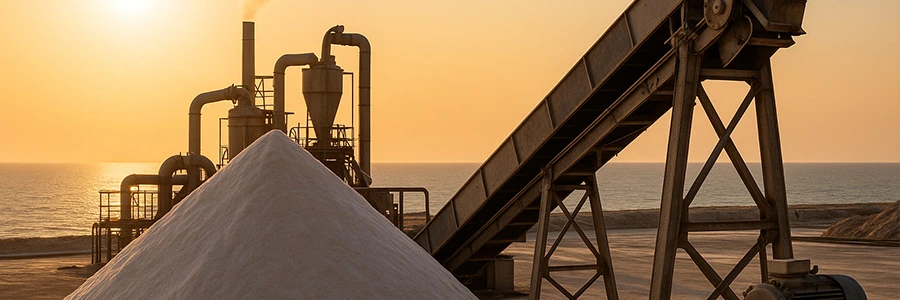
Industrial environments generate heat that would disable most computers within hours. Steel mills, oil refineries, and desert military operations push temperatures past 60°C. Rugged PCs survive through thermal engineering fundamentals applied to every component.
Modern rugged PCs often use heavy duty metal enclosures and advanced thermal management features to handle extreme heat. Many designs feature extruded aluminum chassis with fins and built-in copper heat pipes that conduct heat away from hot components.
High performance thermal interface materials (pads or pastes) fill gaps between chips and heatsinks to maximize heat transfer. Coatings can also help; for example, white reflective powder coatings are sometimes used outdoors to deflect sunlight.
Manufacturers also use wide temperature electronic components rated for harsh conditions. For example, VarTech’s DiamondVue industrial HMI series is built with components that can operate from -40°C up to +70°C, depending on the configuration.
Rugged PCs rely on a mix of passive and active cooling strategies. Passive cooling (fanless) designs use metal heatsinks, heat pipes, and natural airflow through vents to remove heat without moving parts.
Active cooling adds internal fans or blowers inside sealed enclosures to force air circulation. In practice, designers often avoid relying solely on fans because they can fail in dusty, dirty, or high humidity environments.
Many embedded computers use lower power CPUs to reduce heat generation. Their cooling systems are engineered to handle peak thermal output without throttling or damage.
Rugged PCs must meet strict environmental standards. MIL-STD-810H is widely used: Method 501.7 tests devices for high temperature survival, ensuring electronics work even when exposed to intense heat.
Such tests simulate “hot dry” and “hot humid” climates (for example, Southwestern deserts or tropical zones) so designers know the gear will not fail in the field.
Ingress Protection (IP) and NEMA ratings define sealing against dust and water. IP65 or IP66 (comparable to NEMA 4 or 4X) means the unit is dust tight and can withstand strong water jets.
For example, VarTech’s DiamondVue and ToughStation series meet NEMA 4/4X and IP65/IP66 standards, proving they stop dust ingress and washdown sprays.
Higher ratings (IP67/IP68, NEMA 6) are used in fully outdoor All-Weather models. Together, these standards prove a computer can tolerate the dirt, moisture, and heat found in harsh industrial environments.
Rugged computers are used in any setting where normal PCs would overheat or fail:
Drilling rigs, refineries, and pipelines experience scorching temperatures plus dust and humidity. Rugged PCs are essential here. They can function reliably in environments where normal computers would fail, such as oil rigs, pipelines, and drilling sites.
Steel mills, glass plants, or welding shops generate intense heat from furnaces and machinery. VarTech units are built for reliability even when mounted right next to heat producing equipment like furnaces or welding stations.
Combat vehicles and systems face desert heat and arctic cold. VarTech’s rugged computers meet MIL-STD requirements and wide temperature specifications.
Even marine engine rooms, desert solar farms, and outdoor mining operations demand heat hardened computers. In any environment where ambient temperatures soar, from tropical sun to hot industrial processes, these designs keep electronics running.
VarTech applies all these methods in its products.

For instance, our DiamondVue lineup features rugged aluminum or stainless steel construction with active thermal management. While the front panels provide NEMA 4/NEMA 4X and IP65/IP66 protection when properly mounted, the rear section is vented to allow controlled airflow for heat dissipation. This combination ensures reliable performance from –40°C to +70°C, depending on configuration.

The ToughStation series offers fully sealed industrial PCs and workstations for washdown and extreme environments. ToughStations also meet NEMA 4/4X and IP65/IP66 standards with robust enclosures. They come with high bright displays and can be ordered for wide temperature use.

VarTech’s All-Weather computers and Bolt (Ai) edge AI units handle outdoor heat. All-Weather systems meet NEMA 6 and IP67/IP68 ratings, depending on configuration, guarding against sand and rain.
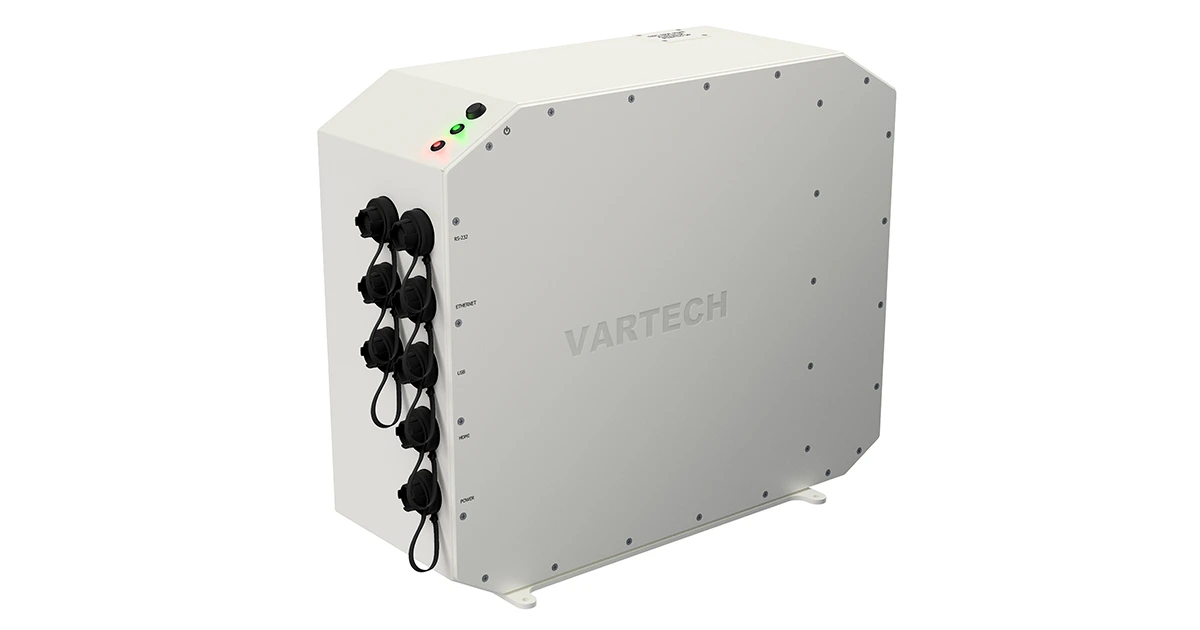
The Bolt (Ai) features a proprietary cooling architecture to dissipate heat while remaining fully sealed (IP67); its internals are available with components rated for –40°C to +70°C, depending on configuration.

The PowerCube and ToughCube series are also engineered for extreme heat. Depending on configuration, the PowerCube systems deliver high performance computing in compact enclosures rated for sustained operation up to 70°C, while ToughCube configurations can withstand even harsher conditions, tolerating ambient temperatures as high as 80°C.
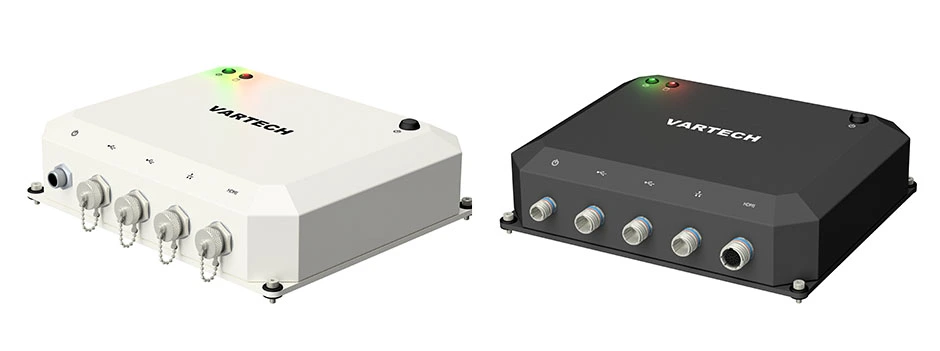
Both SFFC units feature efficient heat dissipation through internal conduction paths and fanless chassis options, making them ideal for heavy duty processing in confined or thermally stressed environments.
Across its product lines, VarTech selects a wide range of components and adds thermal solutions (heatsinks, coatings, etc.) so each product can survive the heat. Custom options like white enclosures or internal cooling loops are also available to tailor systems for the hottest deployments.
Industrial PCs built for extreme heat rely on smart thermal engineering, robust cooling design, and rigorous testing standards.
VarTech Systems combines all of these in its rugged products, including DiamondVue, ToughStation, All-Weather, Bolt (Ai), PowerCube, and ToughCube. These systems keep running even in the hottest environments.
To learn more about a thermal-hardened solution for your application, contact one of VarTech Systems' experienced Project Managers: they can recommend a custom rugged computer or HMI built to meet your thermal challenges.
Based in Clemmons, North Carolina, VarTech Systems Inc. engineers and builds custom industrial and rugged computers, monitors, and HMIs.