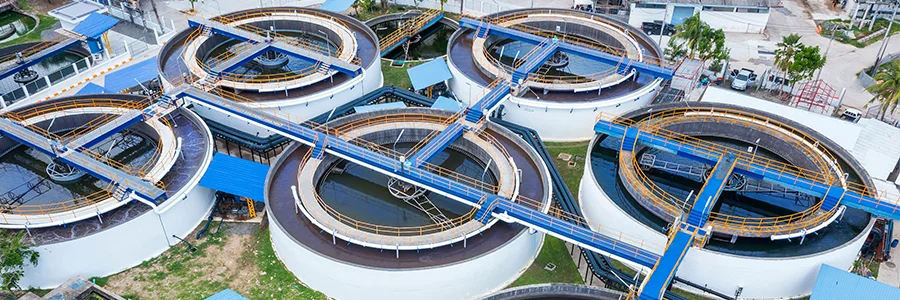
Rugged HMIs support monitoring and control throughout a modern wastewater treatment plant, from preliminary screening and primary clarification to biological treatment, disinfection, biosolids processing, and centralized SCADA operations. They give operators local access to pumps, valves, blowers, analyzers, alarms, and process data where dependable control is required.
Wastewater facilities expose equipment to moisture, chemicals, vibration, washdowns, outdoor weather, and continuous operation. Commercial displays may not provide the sealing, visibility, durability, or service life these conditions demand. Selecting an industrial HMI for each installation helps protect uptime while giving operators reliable access to the treatment process.
An HMI is the visual link between wastewater treatment operators and the plant control system. It translates data from programmable logic controllers, sensors, and field equipment into information and commands that personnel can understand and act on.
Across the plant, local and centralized HMIs help operators:
The following table summarizes where rugged HMIs fit within the treatment process and the conditions each installation must address.
Preliminary treatment removes large debris, grit, and other materials before they reach downstream processes. Headworks equipment commonly includes influent pumps, screens, conveyors, grinders, grit removal systems, and automated cleaning equipment. Local HMIs show equipment status, operating conditions, and alarms while supporting maintenance near the machinery.
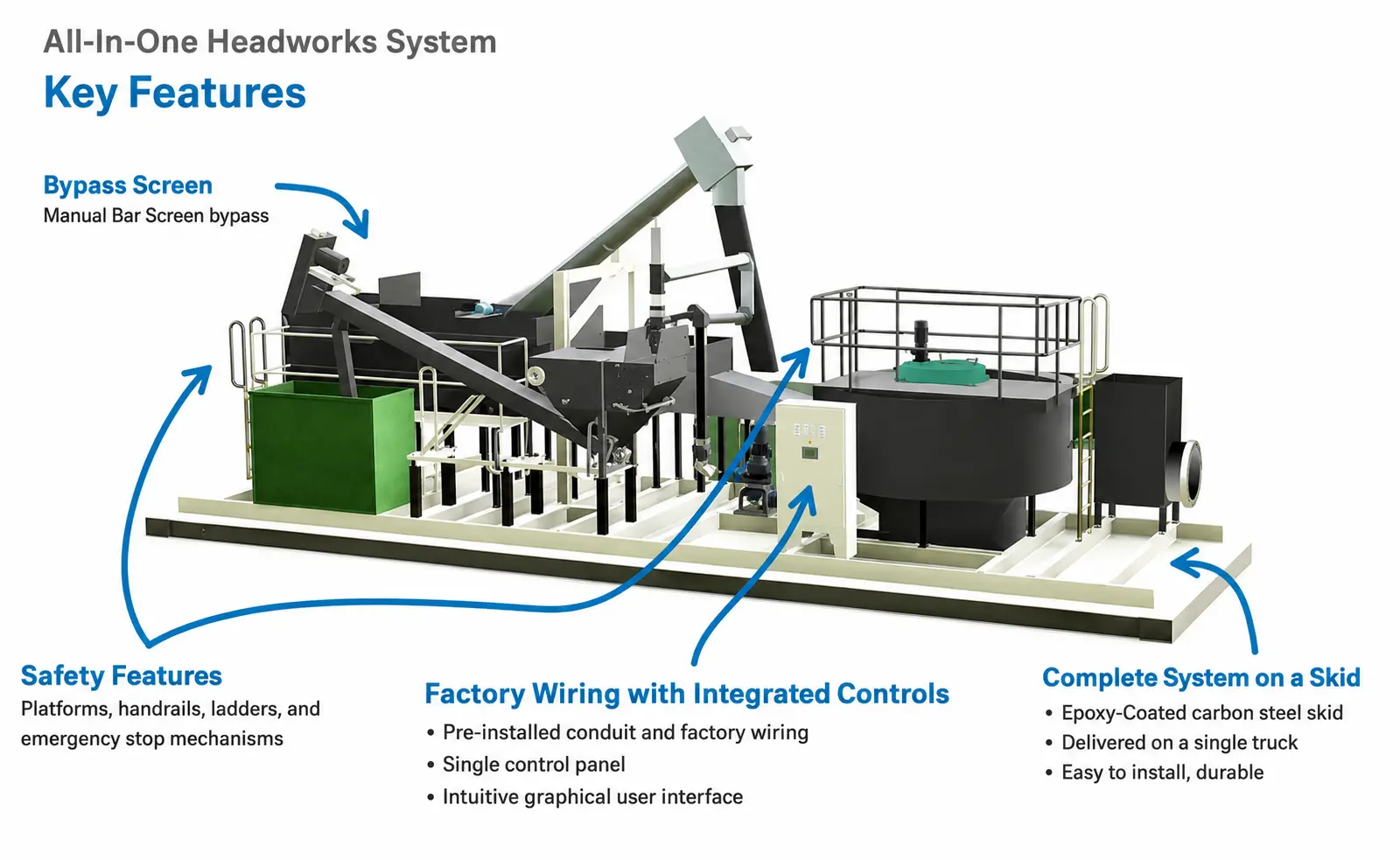
Some small and midsized municipal plants use integrated headworks systems that combine screening, grit removal, conveying, and controls in one packaged unit. A centralized industrial HMI can provide a single operator interface for the complete system. A rugged kiosk or dedicated operator station is often suitable when personnel need frequent, direct access.
Primary clarifiers use gravity separation to remove suspended solids. Heavier material settles as sludge, while lighter material is collected from the surface. Operators must monitor scraper mechanisms, sludge collection systems, pumps, valves, and related instruments.
Alocal HMI allows technicians to view process conditions, confirm equipmentoperation, and diagnose faults at the clarifier. Although plant automationcontrols much of the process, local access remains important duringinspections, maintenance, startup, and troubleshooting.
Secondary treatment uses biological processes to remove dissolved organic matter. Aeration basins, activated sludge systems, oxidation ditches, and secondary clarifiers depend on coordinated control of blowers, pumps, dissolved oxygen sensors, and sludge return systems.
Rugged HMIs display operating parameters, alarm conditions, equipment performance, and process trends. They help operators maintain airflow, oxygen levels, and return rates within the required range. High humidity, constant operation, and exposure to process areas make industrial reliability especially important at this stage.
Tertiary treatment improves water quality beyond secondary treatment requirements. Depending on the facility, it may include filtration, membrane systems, nutrient removal, or other advanced processes. The treated water is then disinfected through ultraviolet systems, chemical treatment, or another approved method before discharge or reuse.
Operators use HMIs to monitor filtration equipment, analyzers, chemical dosing systems, UV equipment, and process instrumentation. Moisture and chemical exposure can ffect unprotected electronics, so enclosure materials, ingress protection, touchscreen technology, and mounting methods should match the installation.
Solids removed during treatment require further processing before disposal or beneficial reuse. Common equipment includes sludge thickeners, anaerobic digesters, centrifuges, belt filter presses, and dewatering systems.
These areas can combine moisture, vibration, contamination, and frequent operator interaction. Local rugged operator stations provide immediate access to alarms, equipment status, and process settings. This access can simplify troubleshooting and help personnel respond quickly without returning to the central control room.
Most wastewater treatment plants also use a centralized control room connected to a supervisory control and data acquisition (SCADA) system. SCADA HMIs provide a plant-wide view of process graphics, alarm summaries, historical trends, equipment diagnostics, and operating data.
Central monitoring helps operators identify developing problems and coordinate responses across multiple treatment areas. Control rooms are less exposed locations, but industrial computers and monitors can still provide benefits such as long-term availability, consistent performance, flexible mounting, and support for continuous operation.
The right wastewater treatment HMI depends on where it will operate and how personnel will use it. Engineers and system integrators should evaluate:
For outdoor installations exposed to weather and direct sunlight, sunlight-readable ToughStation Workstations provide clear visibility and rugged operation. Where hazardous gases or vapors may be present, ToughStation Hazardous Area Workstations provide an operator interface for classified industrial locations.
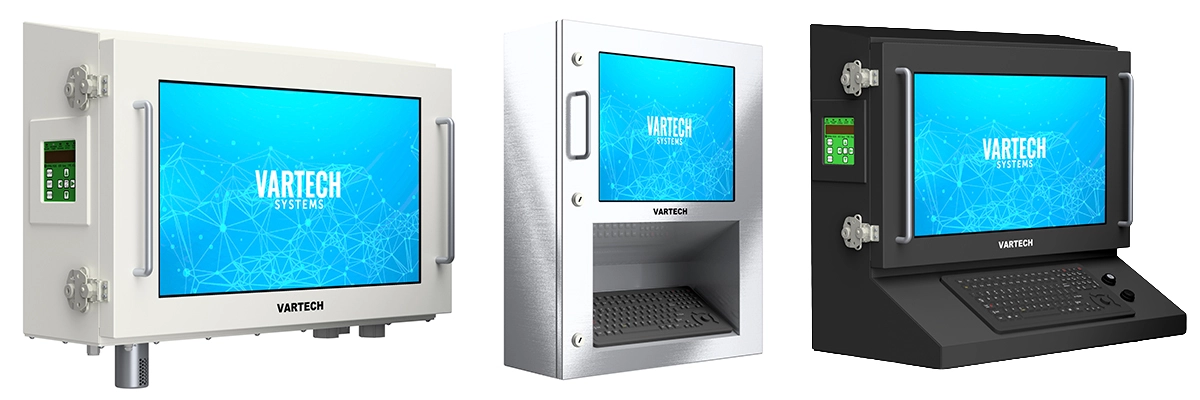
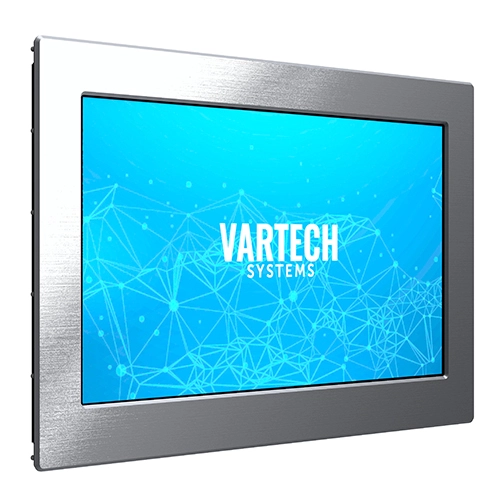
For indoor process areas, equipment rooms, control panels, and monitoring stations, CID2 DiamondVue industrial computers and monitors support a wide range of control and visualization applications.
Wastewater treatment facilities rely on a wide range of automated systems to maintain safe and efficient operation. From preliminary screening and clarification to biological treatment, disinfection, and biosolids processing, operators depend on HMIs to maintain visibility and control throughout the process.
Selecting the appropriate rugged HMI solution for each environment helps improve reliability, reduce downtime, and support long-term plant performance.
By matching the platform to the application, engineers and system integrators can create systems capable of operating reliably in every stage of the wastewater treatment process.
An HMI gives operators a visual interface for monitoring equipment, reviewing alarms and trends, adjusting process settings, and verifying system response. Local HMIs support work at the equipment, while centralized HMIs consolidate plant-wide information through SCADA.
Rugged HMIs are used in headworks, primary clarifiers, biological treatment areas, tertiary treatment and disinfection systems, sludge and biosolids processing, equipment rooms, and central control rooms.
Commercial displays may not provide sealing, chemical resistance, sunlight visibility, vibration tolerance, or the service life required in wet, outdoor, washdown, and continuously operated environments.
Selection should account for moisture, washdowns, chemicals, sunlight, temperature, vibration, hazardous area classification, touchscreen requirements, mounting, operator workflow, and expected service life.
Sunlight-readable ToughStation Workstations support outdoor installations. ToughStation Hazardous Area Workstations support classified industrial locations. CID2 DiamondVue industrial computers and monitors support indoor process areas, control panels, equipment rooms, and monitoring stations.
Image source: Water Online, “All-in-One Headworks Systems: An Economical, Efficient and High-Performing Solution for Wastewater Treatment in Small to Mid-Sized Municipalities.”
Based in Clemmons, North Carolina, VarTech Systems Inc. engineers and builds custom industrial and rugged computers, monitors, and HMIs.